Destination guide

The Maldives —
a world apart

One thousand two hundred islands scattered across the Indian Ocean. No mountains. No rivers. No traffic. Just coral, sky, and water stretching further than the eye can follow. There is nowhere else on earth quite like it.

26Natural atolls
1,200+Islands
29°CAverage sea temp
300+Sunny days / year
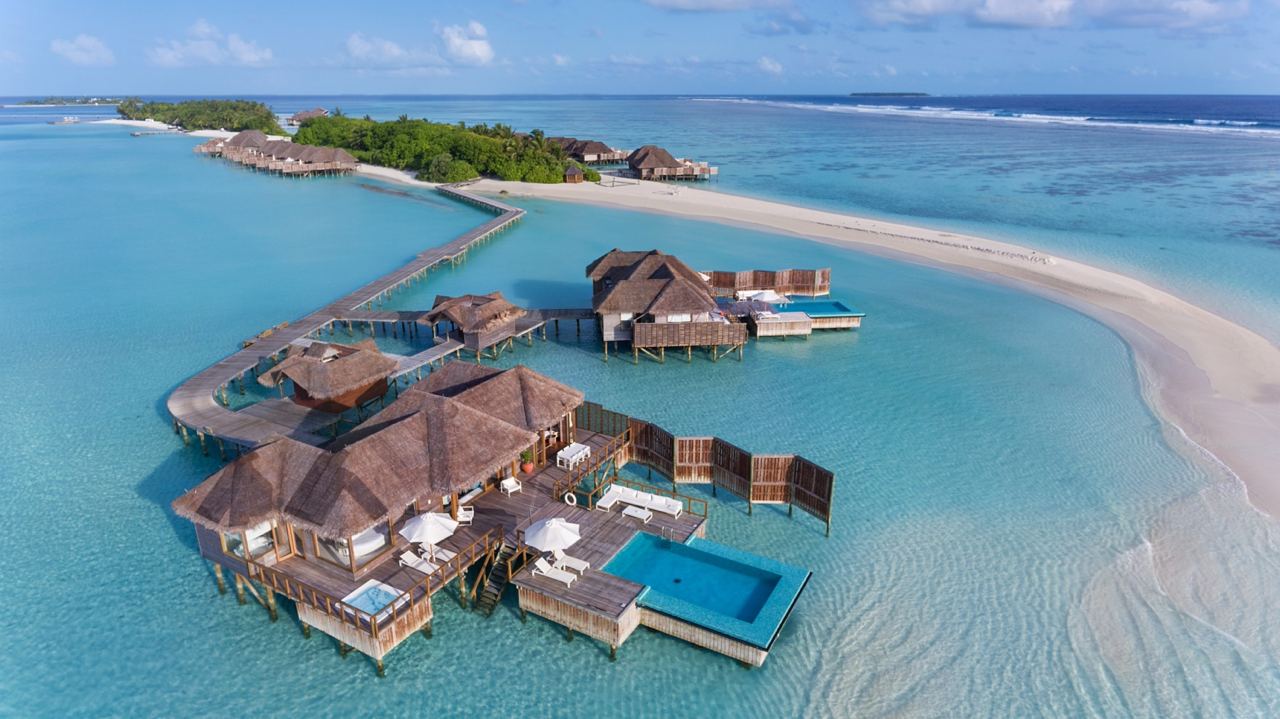
Maldives overwater villa sunrise
Maldives underwater coral reef
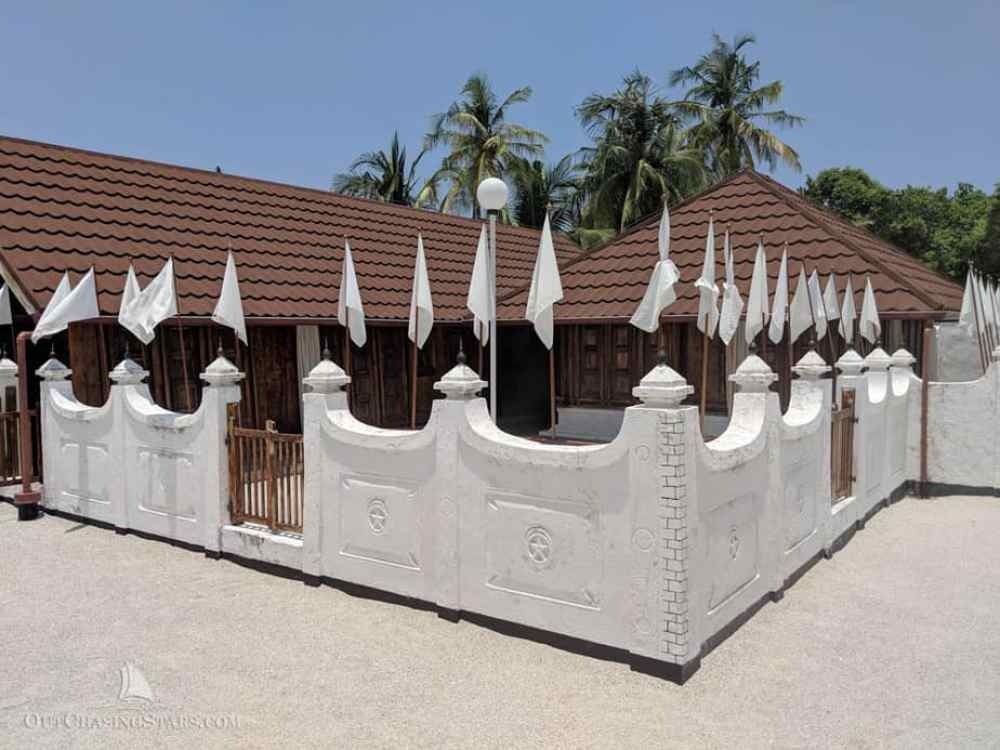
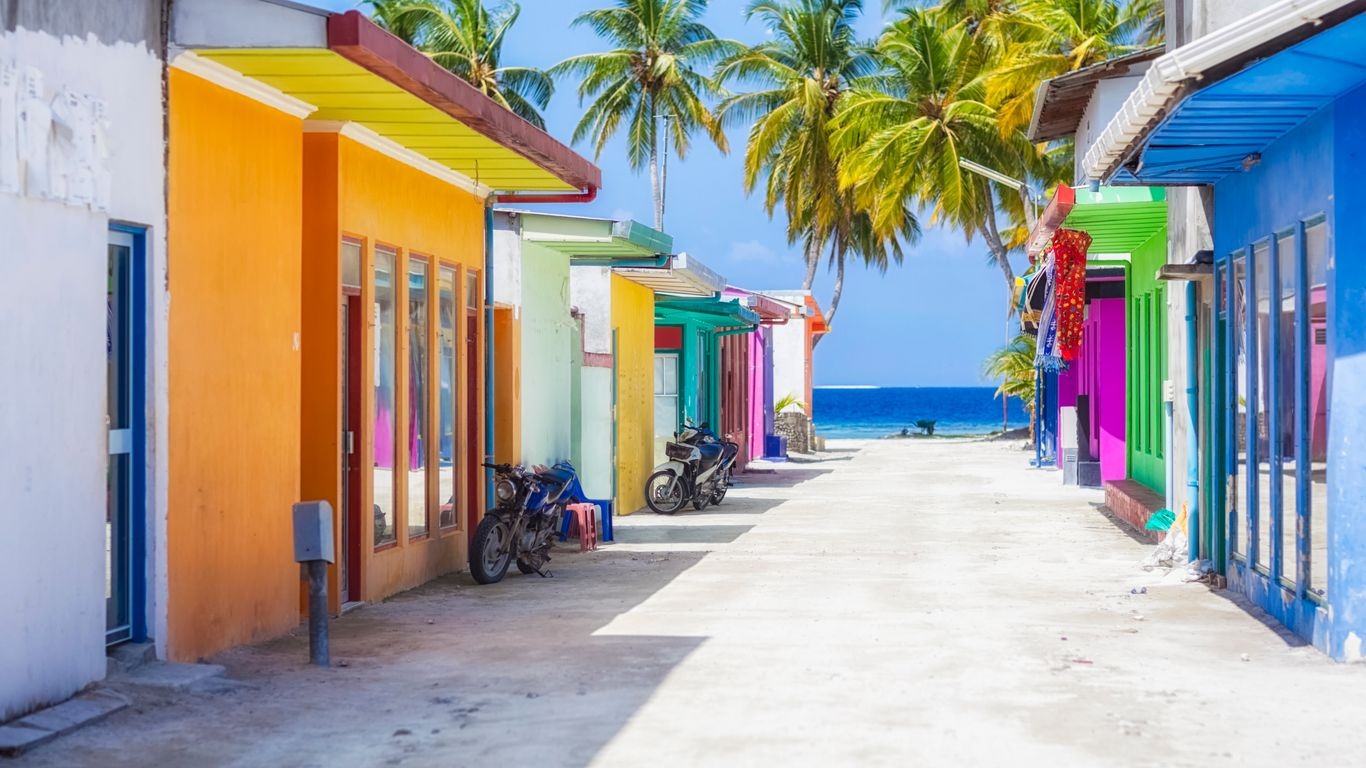
Maldivian local island

Why the Maldives

Unlike anywhere
else on earth

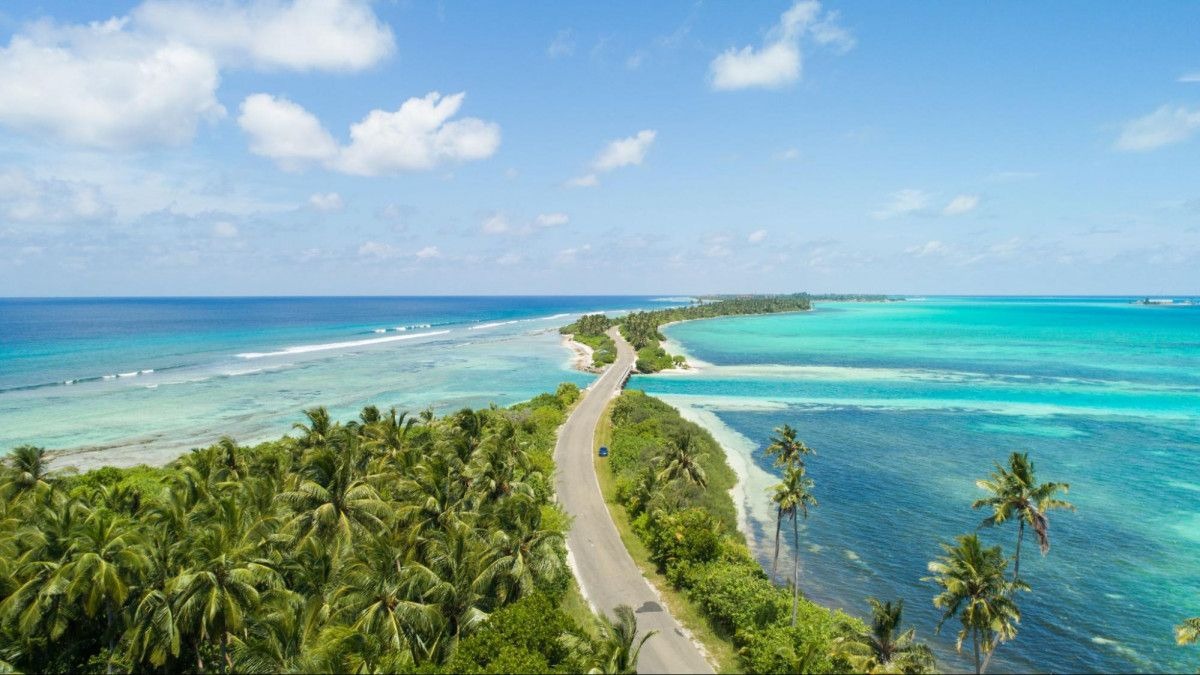
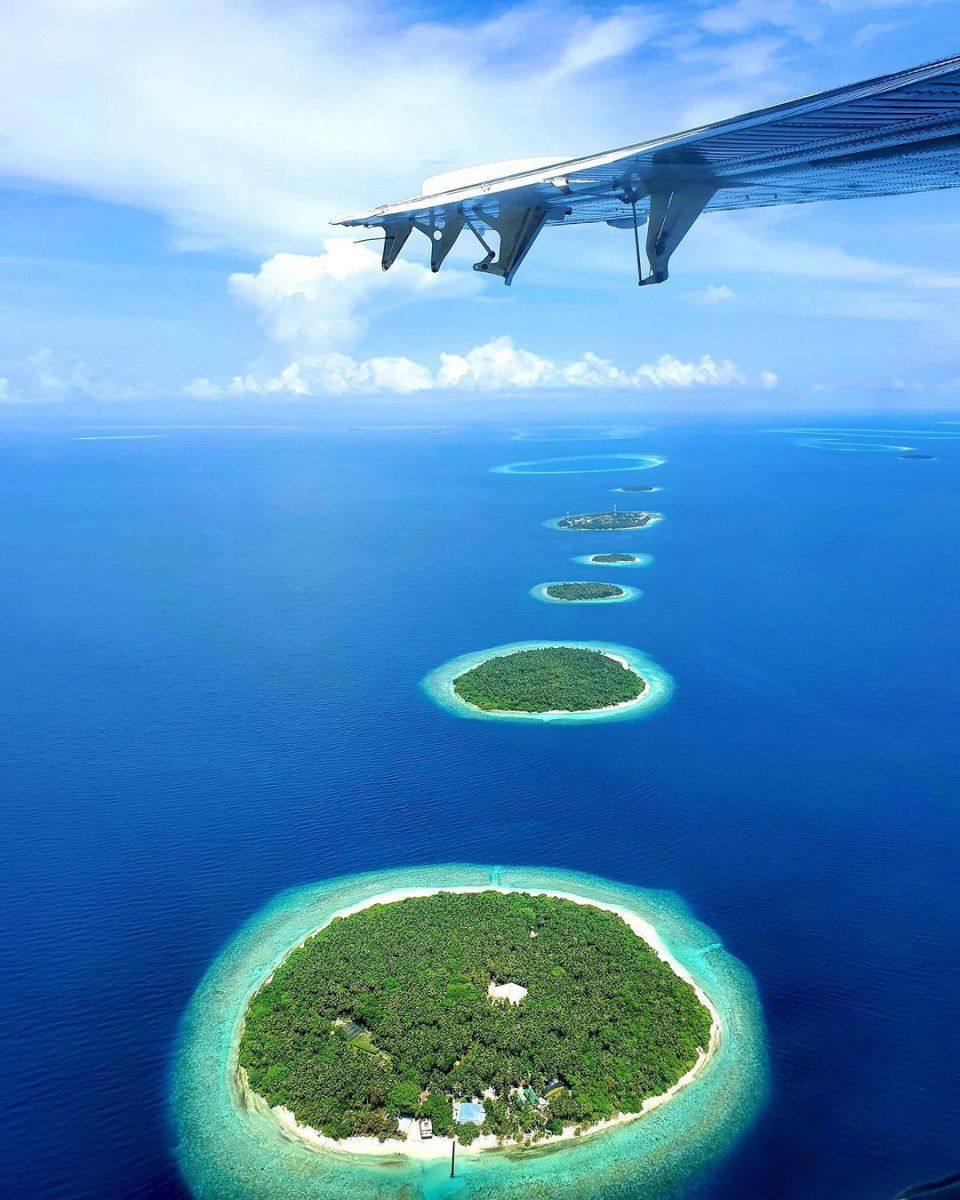
The Maldives sits in the Indian Ocean like a scattered necklace — 26 coral atolls stretching nearly 900 kilometres from north to south. It is the world's lowest-lying country, the flattest, and for many who visit, the most unforgettable.

What draws people is not just the beauty — though the beauty is extraordinary. It is the feeling of being somewhere completely other. A place where the ocean is not backdrop but everything, where colour exists at a frequency you don't encounter elsewhere, where even the air feels different.
World-class marine biodiversity

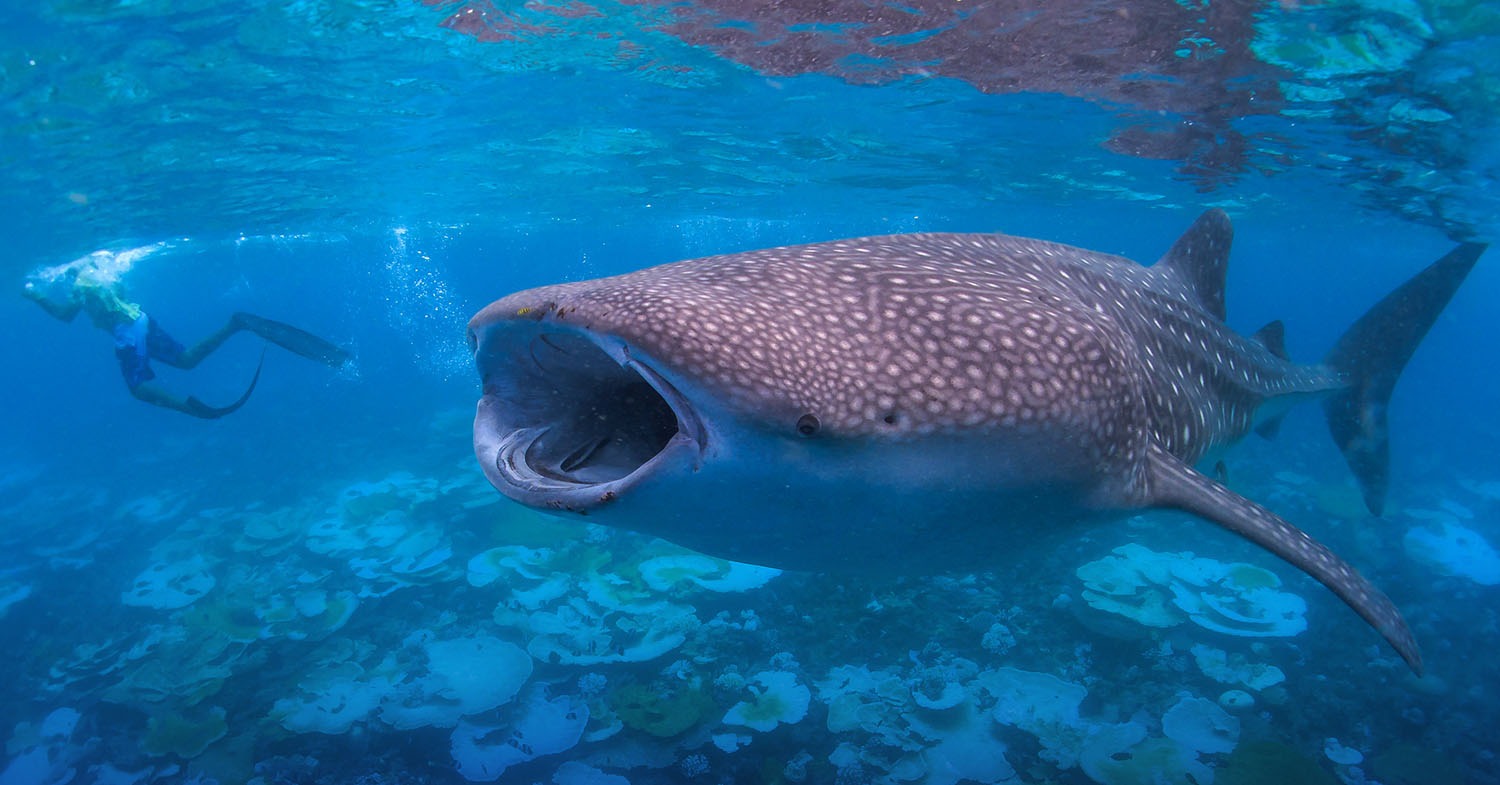
Over 2,000 species of fish, 200 types of coral, whale sharks, manta rays, dolphins, sea turtles, and hammerhead sharks — all accessible from the shore.

Rich local culture

A Maldivian culture shaped by the ocean, Islam, trade winds, and centuries of island life — distinct, proud, and fascinating to anyone who takes the time to look.

Year-round destination

The Maldives is warm and beautiful every month of the year. The season changes the experience — it doesn't cancel it.

When to visit

The Maldives by
month & season

There is no bad time to visit the Maldives — every season offers something different. Here is how the year breaks down, so you can choose the experience that suits you best.

Jan☀️29°
Feb☀️29°
Mar☀️30°
Apr🌤️30°
May🌧️29°
Jun🌧️28°
Jul🌦️28°
Aug🌦️28°
Sep🌦️28°
Oct🌤️29°
Nov☀️29°
Dec☀️29°
Dry season — best weather
Shoulder — transitional
Wet season — fewer crowds
Dry season
November – April

The classic Maldives season. Clear skies, calm seas, excellent visibility for snorkelling and diving. This is peak season — busier, pricier, and unmistakably beautiful.

  • Best snorkelling & diving visibility
  • Calm lagoons and flat seas
  • Ideal for overwater villa stays
  • Book well in advance
Wet season
May – October

Short sharp rain showers rather than all-day rain. Quieter islands, lower prices, and some of the best big-animal encounters of the year. A favourite of experienced travellers.

  • Fewer tourists, quieter beaches
  • Better value accommodation
  • Whale sharks at South Ari Atoll
  • Manta rays peak season
Shoulder seasons
April & October

The sweet spot — transitional months that often offer a blend of dry season weather with fewer crowds and better prices. Increasingly popular with those in the know.

  • Good weather, lower prices
  • Mix of wildlife encounters
  • More availability at top resorts
  • Great for local island travel

Know the atolls

The Maldives is not
one place — it's 26

Each atoll has its own character, its own wildlife, its own communities. Understanding the atolls helps you choose the right islands for your trip — and helps us plan something truly tailored.

Kaafu Atoll
North Malé Atoll
Kaafu Atoll

Home to the capital Malé and many of the Maldives' best-known resorts. The most accessible atoll — many islands just 20–45 minutes from the airport.

Easy accessLuxury resortsLocal islands
Ari Atoll
North & South Ari Atoll
Alif Alif & Alif Dhaal

The Maldives' most famous wildlife atoll. Home to Dhigurah's whale sharks and Ukulhas' manta rays — plus some of the finest dive sites in the world.

Whale sharksManta raysDiving
Vaavu Atoll
Vaavu Atoll
Felidhu Atoll

One of the least-visited atolls and home to Fulidhoo — a pristine island famous for sea turtle nesting and some of the most unspoilt reefs in the country.

Sea turtlesOff the trackPristine reefs
Baa Atoll
Baa Atoll
Baa Atoll — UNESCO Reserve

A UNESCO Biosphere Reserve and one of the most ecologically important atolls in the Maldives. Home to Soneva Fushi and spectacular coral systems.

UNESCO reserveLuxury resortsConservation
Haa Dhaal Atoll
Far North
Haa Dhaal Atoll

Ali's home atoll — raw, real, and almost entirely untouched by tourism. Island communities here live much as they have for centuries. A frontier for genuine explorers.

Our home atollUntouchedAuthentic
Addu Atoll
Far South
Addu Atoll

The southernmost atoll of the Maldives, with a unique character shaped by its British colonial history. Connected islands, wreck diving, and a distinctive local culture.

Wreck divingHistoryConnected islands

Getting there

Arriving in the
Maldives

All international flights land at Velana International Airport in Malé. From there, your onward transfer depends on which island or atoll you're visiting. We arrange all transfers as part of your booking — you just land and follow our instructions.

Most visitors receive a free 30-day tourist visa on arrival — no advance application needed. Bring a valid passport, proof of accommodation, and onward travel confirmation.

Ask us about transfers
Speedboat transfer
20 min – 3 hours

The most common transfer for local islands and many resorts. Fast, scenic, and often a highlight of the journey. We arrange all speedboat bookings.

Seaplane transfer
15 – 45 minutes

The iconic Maldives arrival — taking off from a lagoon and landing beside your island. Used mainly for resort islands in further atolls. Daylight hours only.

Domestic flight + transfer
30 min flight + speedboat

For atolls in the far north or south, a short domestic flight connects you to a local airport, then a final speedboat leg to your island.

Public ferry
1 – 6 hours

The way locals travel. Slower, cheaper, and a remarkable experience in its own right. Used on our Island Adventure package — it's part of the journey.

Where to stay

Choosing your
accommodation

The Maldives offers a wider range of accommodation than most visitors realise — from iconic overwater villas to authentic local guesthouses and family homestays. Hover over each to learn more.

Overwater villa
Resort island
Overwater villa

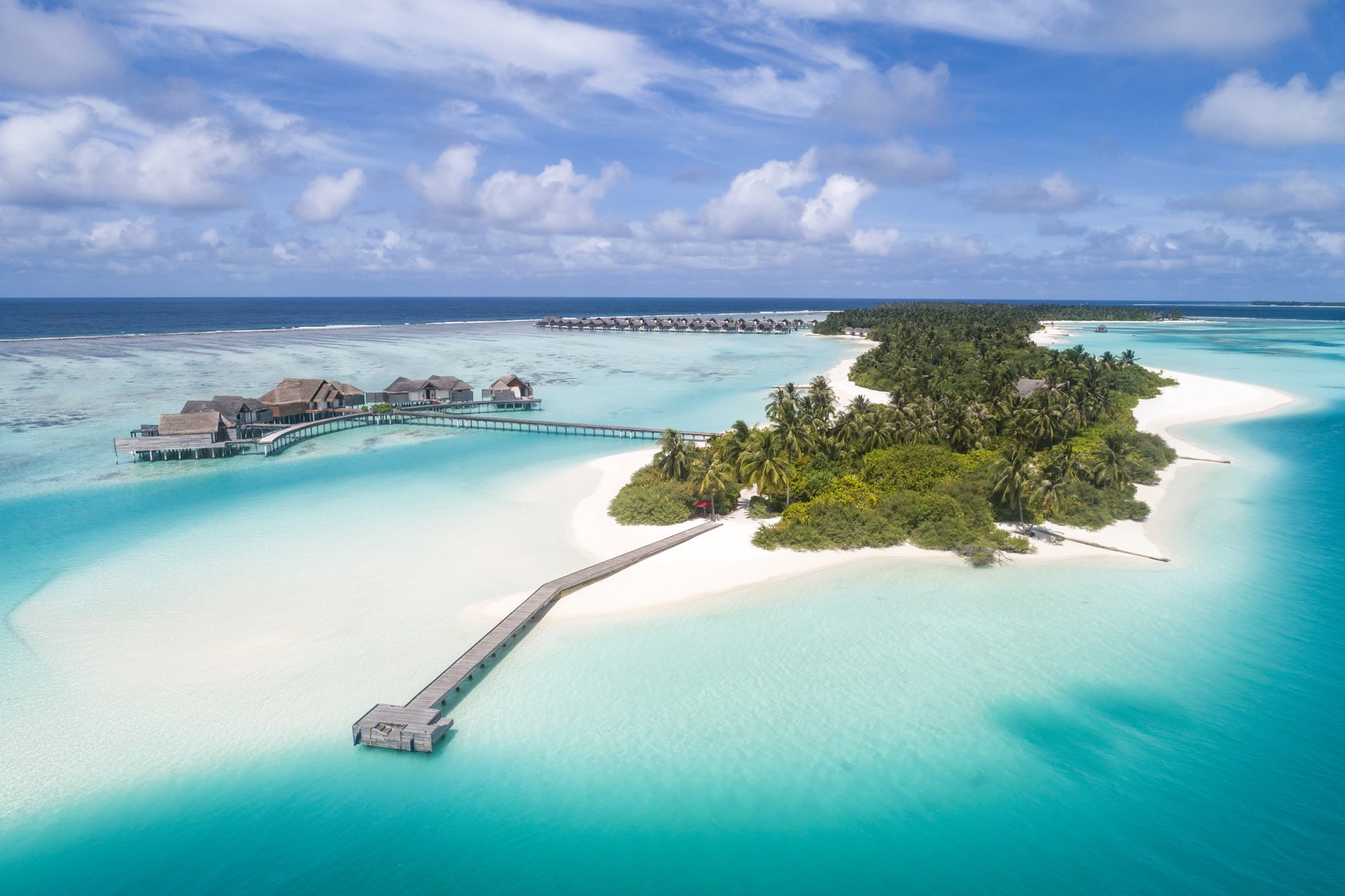
Perched over the lagoon on stilts — the quintessential Maldives image. Direct ocean access, glass floor panels, absolute privacy.

Beach villa
Resort island
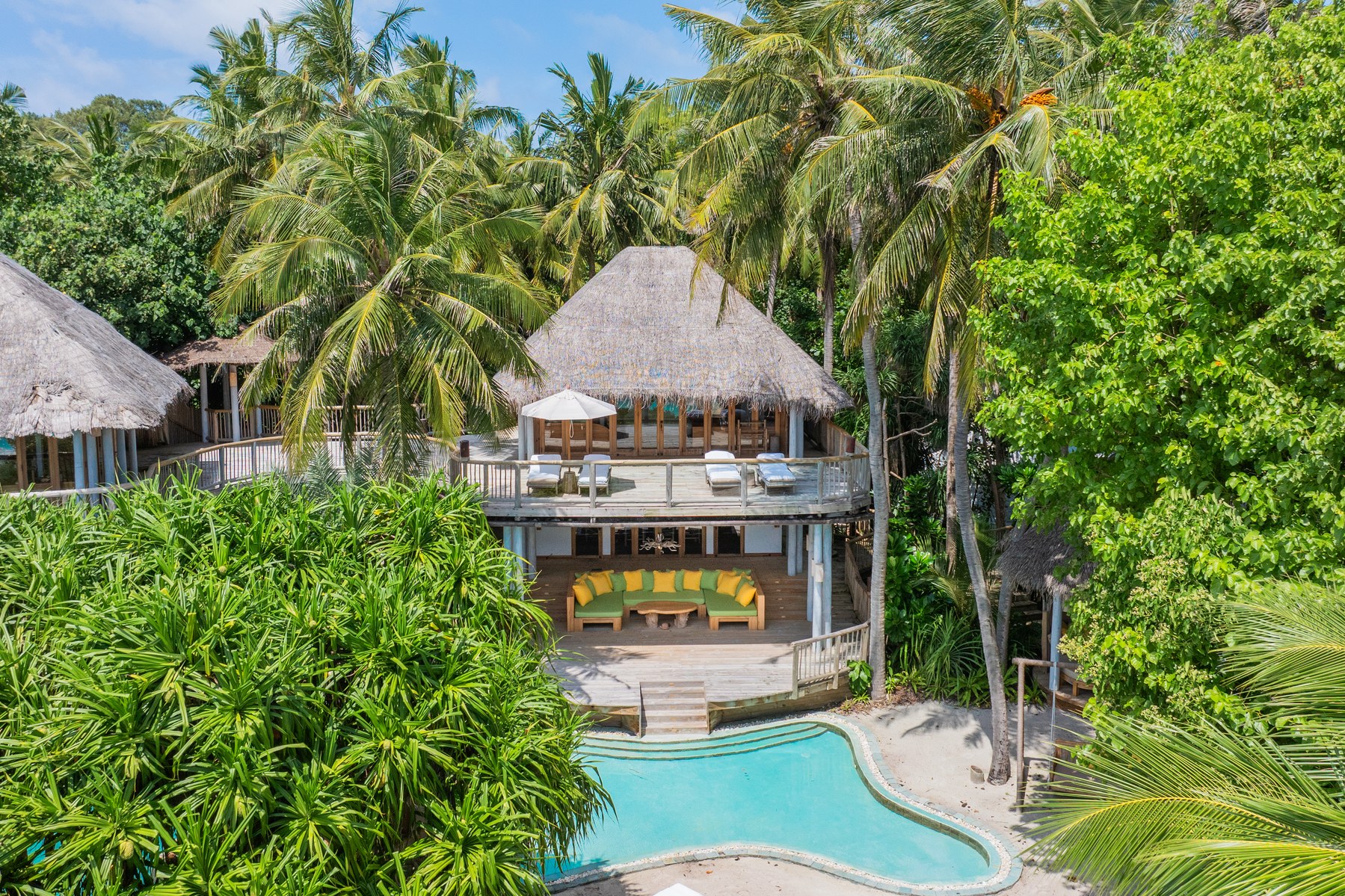
Beach villa

Steps from the sand with a private pool or garden. Larger than overwater villas, often better value, and ideal for families and longer stays.

Local guesthouse
Local island
Local guesthouse & homestay

Clean, comfortable, and immersed in real Maldivian life. From boutique guesthouses with ocean views to staying with local families — this is where the real experience begins.

Know before you go

Local island vs
resort — at a glance

The single most common question we get. Here's the honest comparison — and why many guests choose to combine both.

Local island
Luxury resort
Nightly cost
From $80 – $250
From $500 – $2,000+
Alcohol available
Not on local islands
Yes
Maldivian culture
Full immersion
Very limited
Wildlife access
Whale sharks, mantas, turtles
Varies by resort
Private beach
Designated bikini beach
Private island beach
Money to locals
Directly to families
Mostly to resort group
Best for
Adventurers, divers, culture seekers, families on a budget
Honeymoons, total privacy, all-inclusive luxury

Our recommendation: combine both. Start with two or three nights on a local island to experience authentic Maldivian life — then finish with a few nights at a resort for the overwater villa and sundowner cocktails. Best of both worlds.

Plan a combined trip

Marine life guide

What you'll find
beneath the surface

The Maldives sits at the confluence of two monsoon systems, creating nutrient-rich waters that support extraordinary marine biodiversity. This is what makes it one of the top diving and snorkelling destinations on earth.

Whale sharks
Year-round · South Ari Atoll

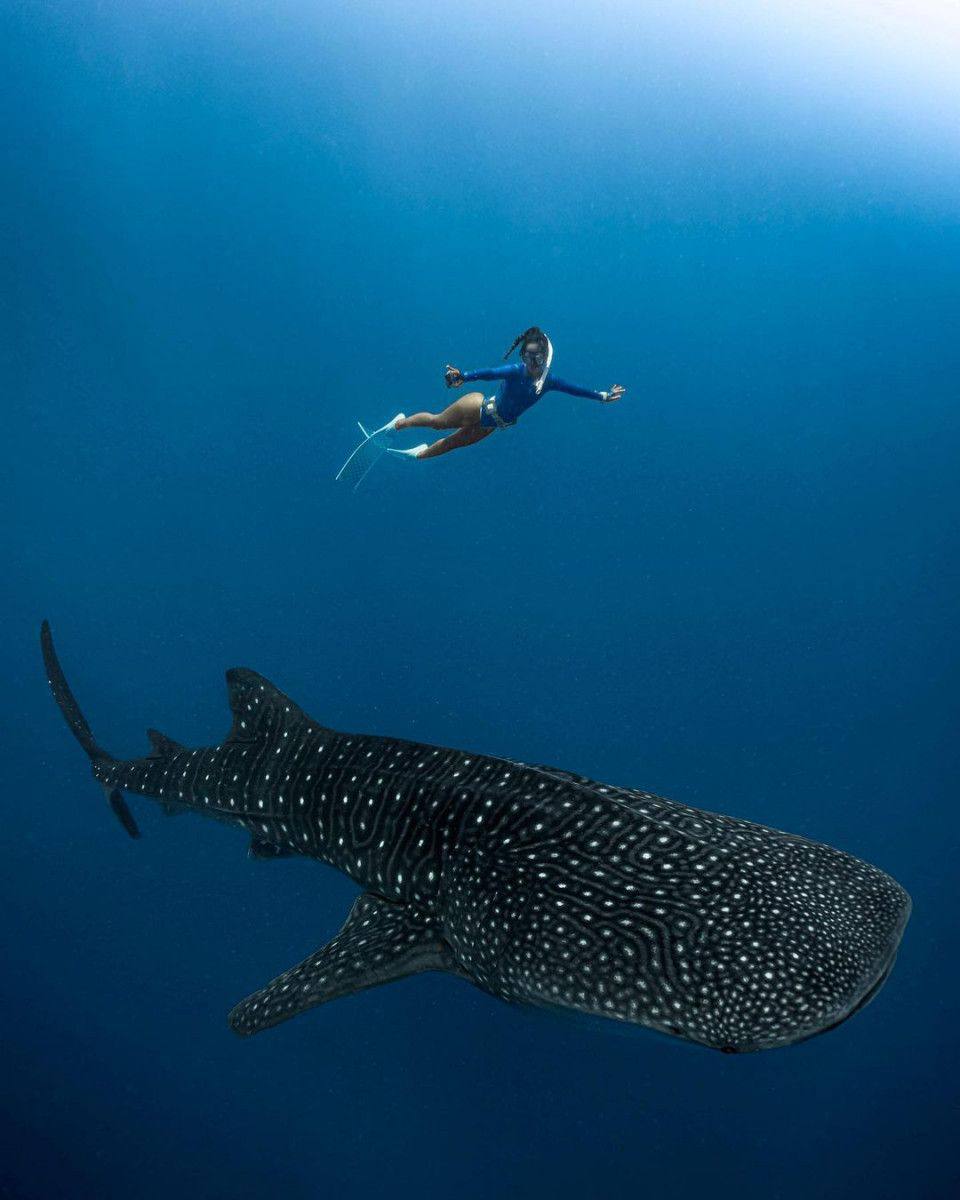
The ocean's largest fish and one of the most magical encounters in the sea. Gentle, filter-feeding, and entirely safe to swim alongside. Dhigurah offers the most reliable year-round sightings.

Manta rays
May – November · Baa & Ari Atolls

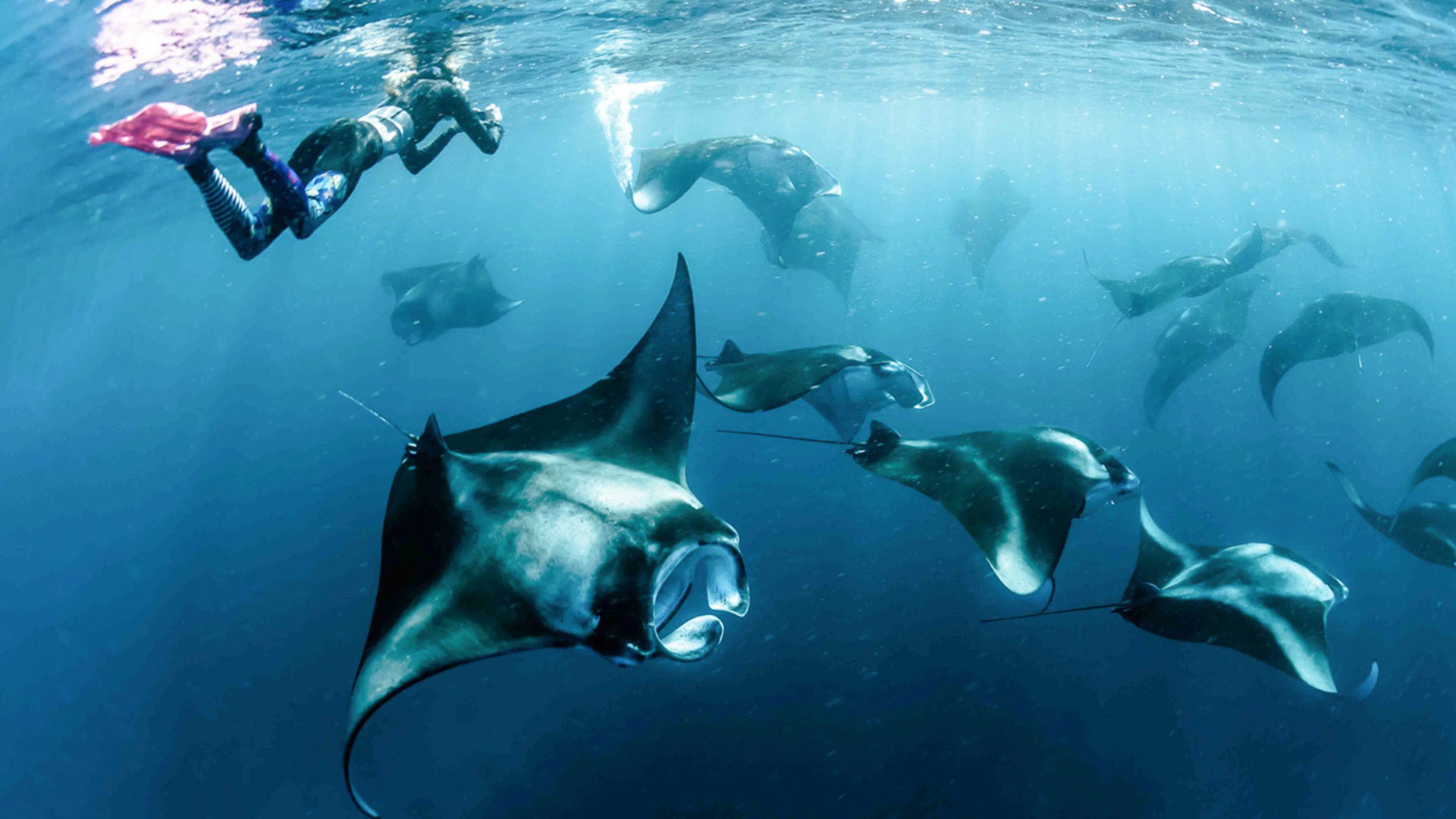
Graceful, enormous, and mesmerising. Manta cleaning stations at Ukulhas and Hanifaru Bay draw hundreds of rays during peak season — one of the greatest wildlife spectacles anywhere.

Sea turtles
Year-round · Multiple atolls

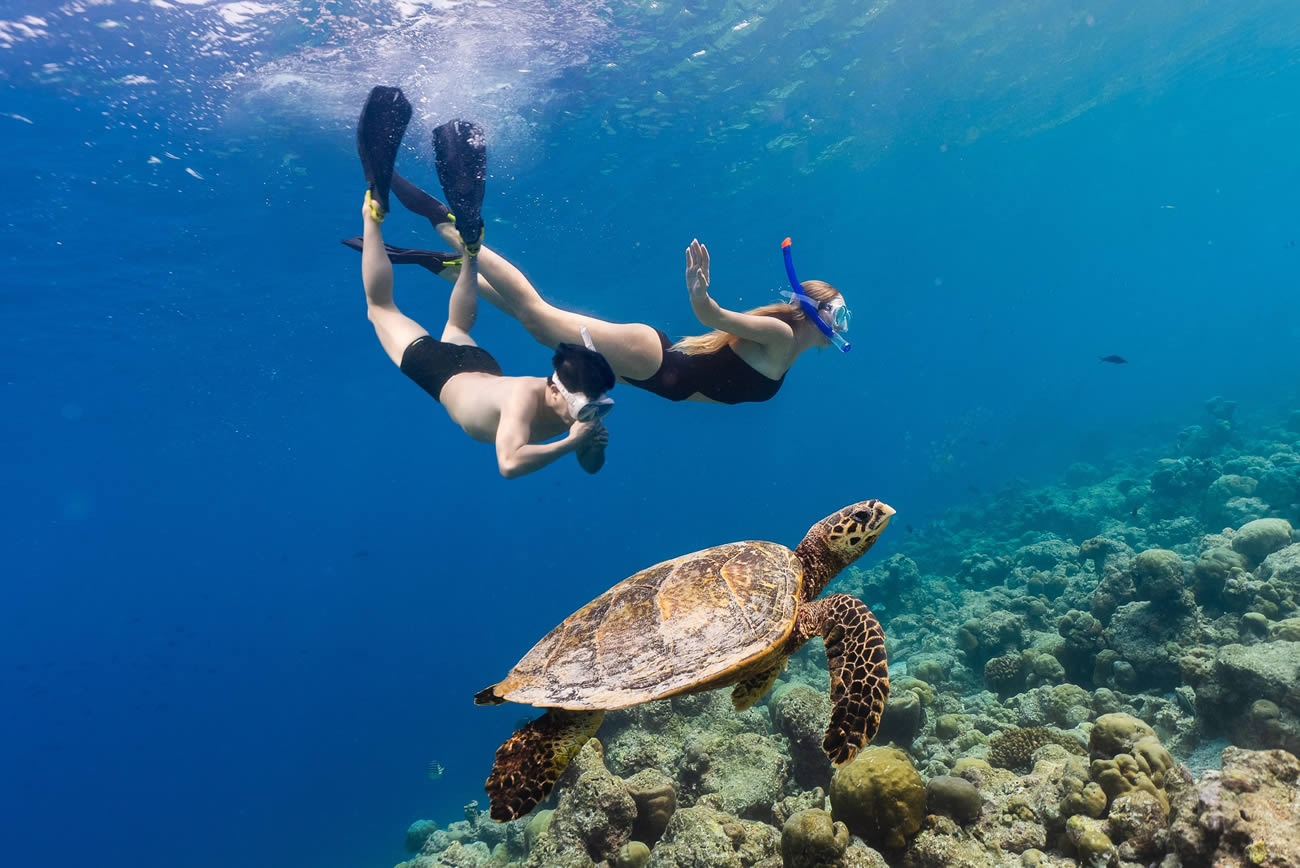
Both hawksbill and green turtles are commonly seen throughout the Maldives. Fulidhoo in Vaavu Atoll is a nesting site — an extraordinary thing to witness at close range.

Dolphins
Year-round · All atolls

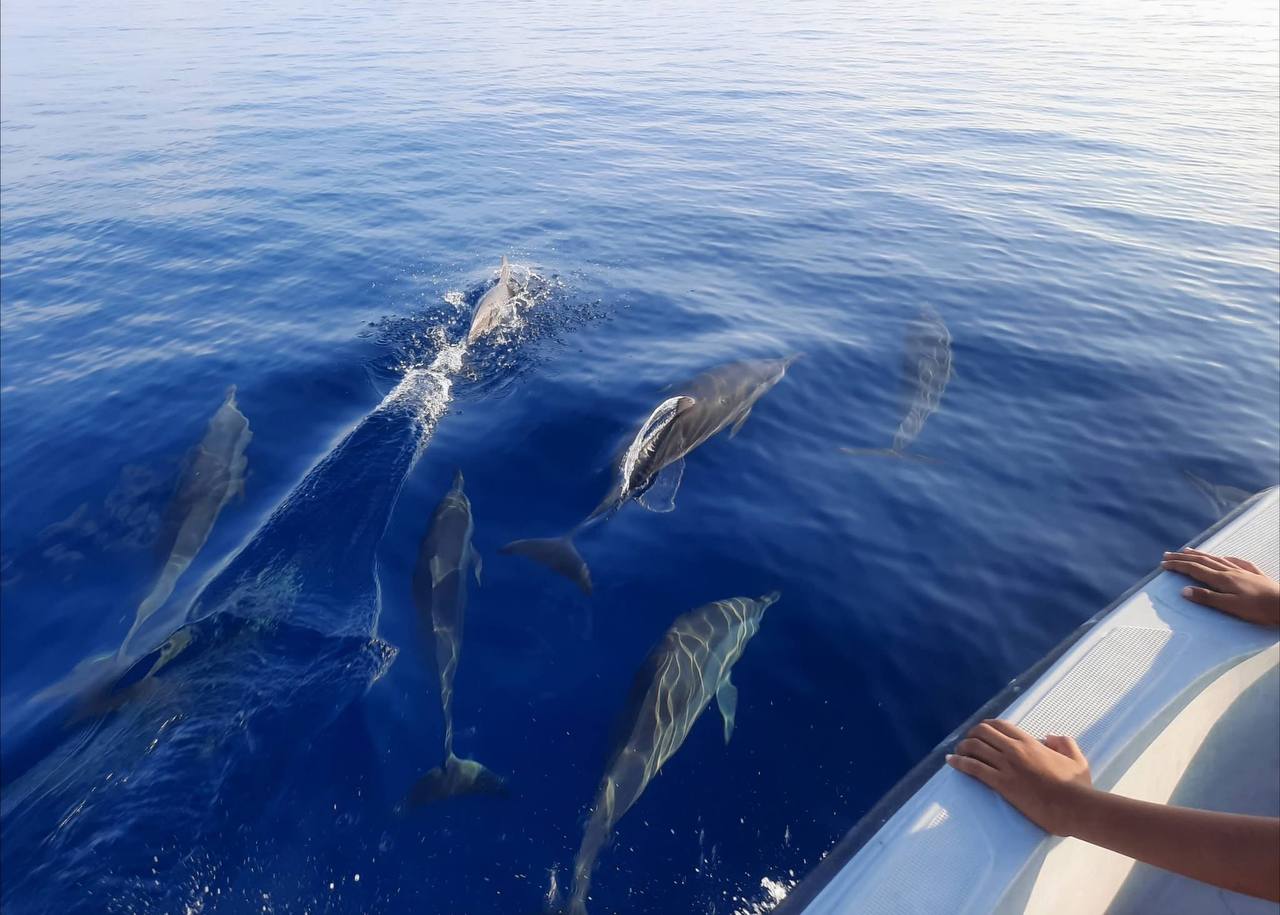
Spinner dolphins are a daily sight on most ferry crossings and boat trips. Large pods perform acrobatics at the bow — one of the simple joys that never gets old in these waters.

Reef sharks
Year-round · Most dive sites

Blacktip and whitetip reef sharks are a common and exciting sight on any dive or snorkel. Entirely safe and surprisingly uninterested in humans — they are a sign of a healthy reef ecosystem.

Coral reefs
Year-round · All atolls

Over 200 species of coral form the living architecture of the Maldives. Every house reef is different — from shallow, colourful gardens to dramatic walls dropping hundreds of metres into the deep.

Hammerhead sharks
Dec – Apr · Vaavu, Rasdhoo

One of the most dramatic dive encounters on earth. Schools of scalloped hammerheads circle at depth around certain seamounts — an advanced dive but an unforgettable one.

Bioluminescence
Seasonal · Many beaches

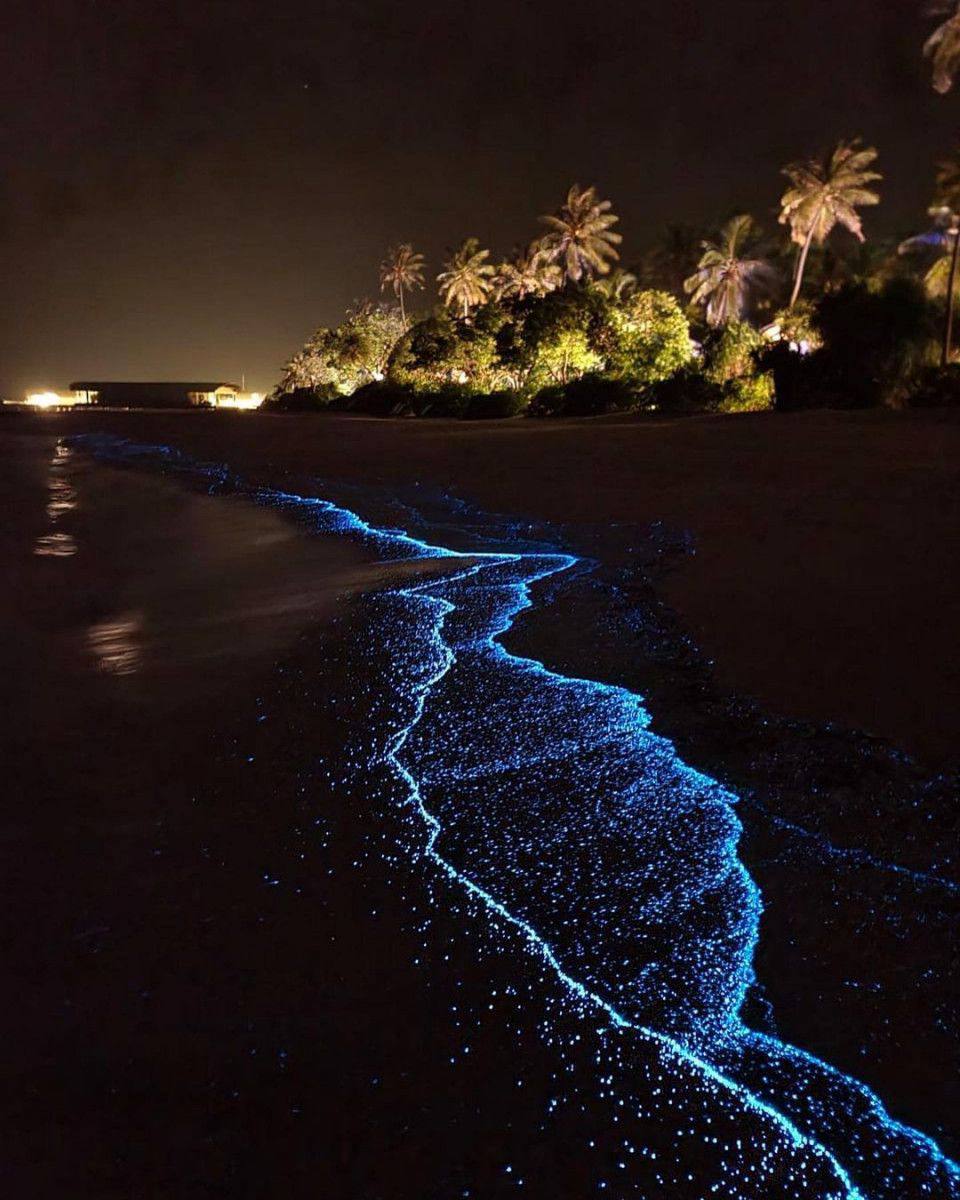
On certain nights, the ocean glows electric blue as plankton light up with movement. Walking along a bioluminescent beach or night snorkelling in glowing water is an experience beyond description.

Ready to experience it?

Let us plan your
Maldives journey

Now you know the Maldives — let us show you the part of it that's right for you. Resort, local island, adventure package, or a combination of all three.

Plan my trip Explore local islands