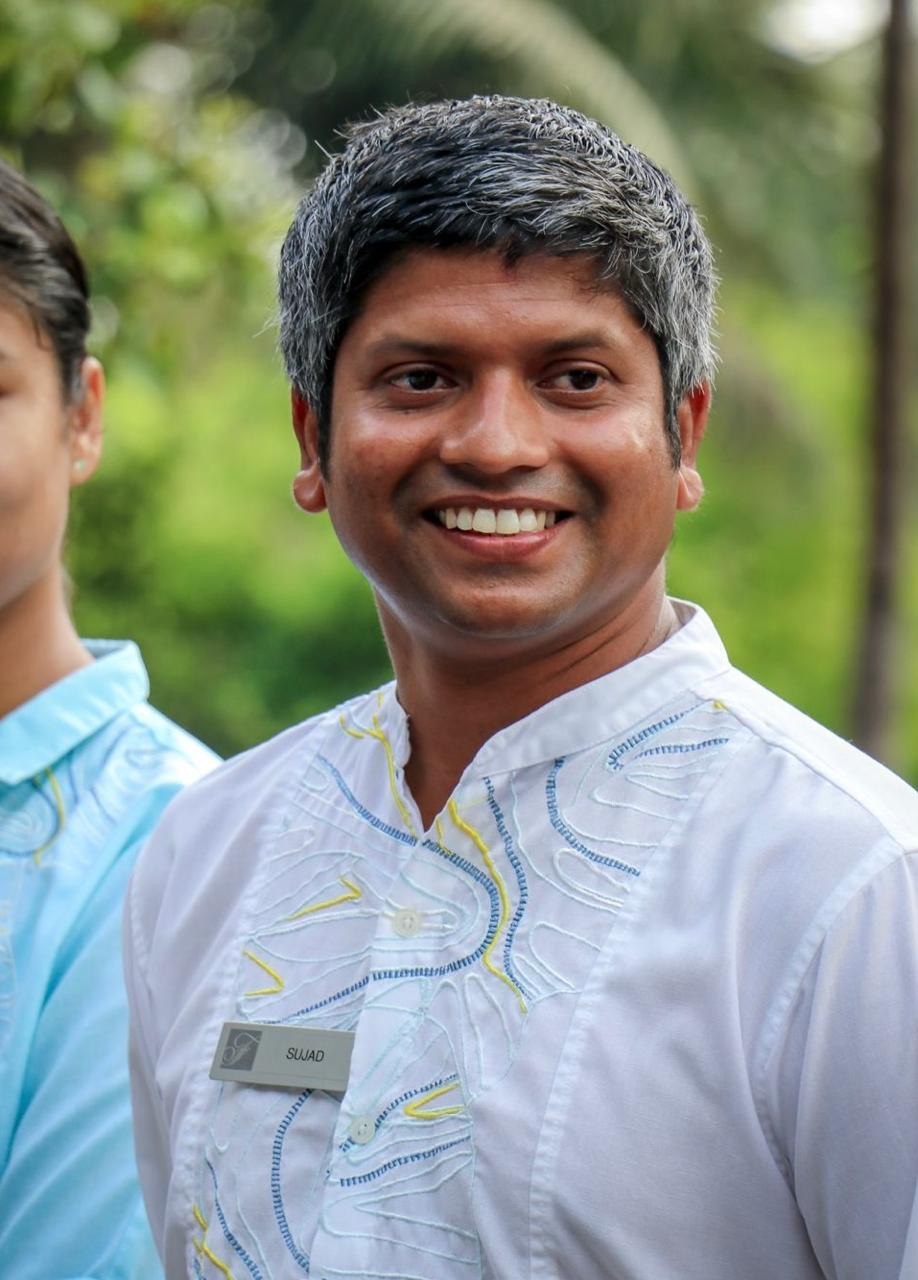
Some moments don't just stay with you — they shape what you build next.
On 29 March 2026, I met Marije Boerma from the Netherlands during a walking tour of Malé — a tour I personally designed and hosted for travellers who want to understand the Maldives beyond resorts. At the time, it felt like a simple booking. It turned into something much more meaningful.
How It All Began
During our walk, Marije shared that she had come to the Maldives to research cowry shells — once used as currency across the Indian Ocean and deeply connected to Maldivian heritage. I shared what I knew, but it quickly became clear she already had strong academic knowledge. What she needed wasn't information. She needed access.
Opening Doors to Real Knowledge
The following day, I arranged for her to meet a researcher based in Malé from Vaikaradhoo, my home island — where the story of cowry shells still lives within the community. That conversation added depth to her work. Soon after, she organised another interview and discovered something even more meaningful — that cowry shell collection is closely tied to the people of Vaikaradhoo. Her journey was no longer just research. It was becoming a connection to place and people.
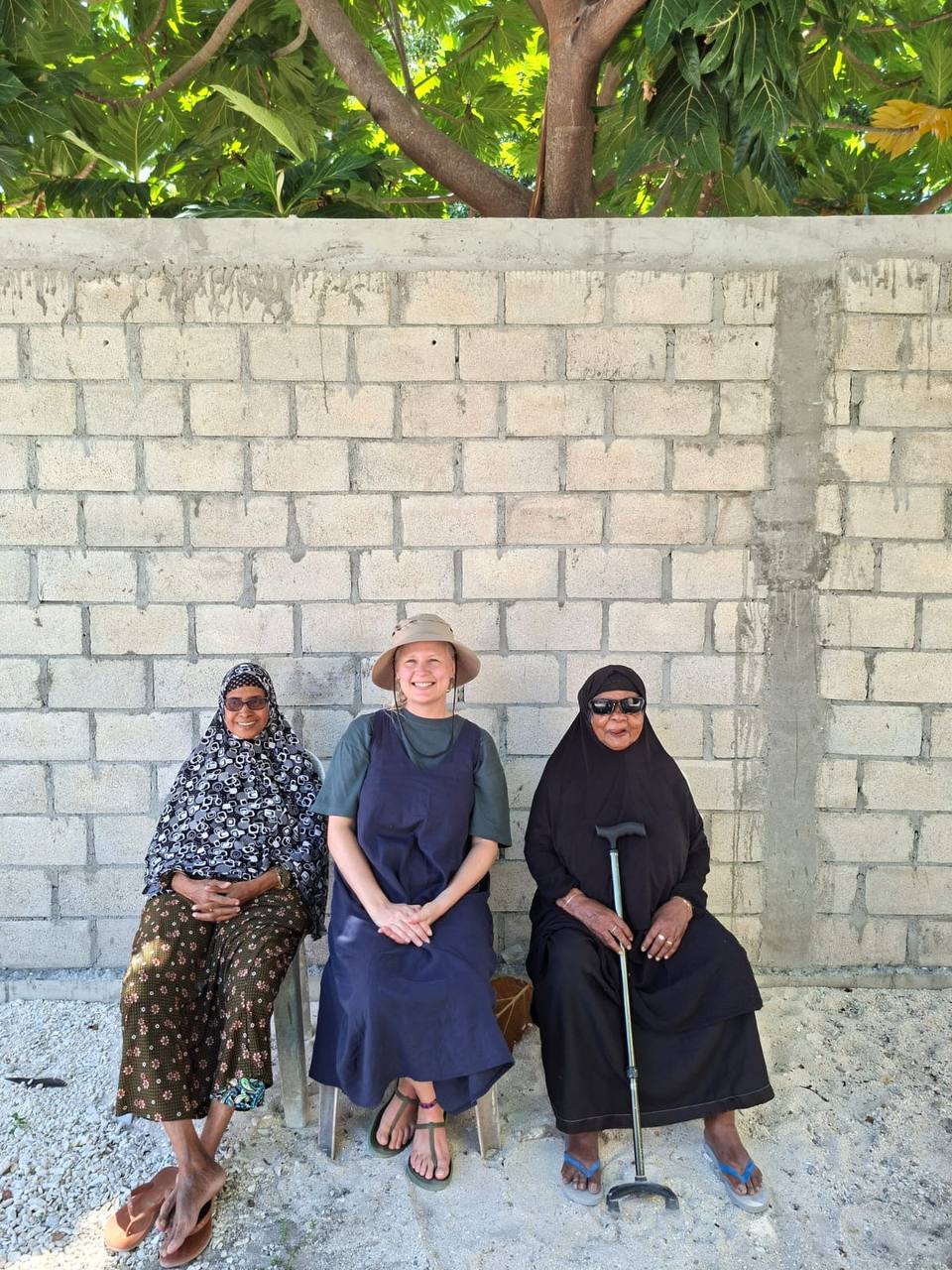
Marije with two of Feevah's elders — the kind of encounter that no resort holiday can offer.
An Unexpected First Stop — Feevah
Before continuing her journey, I told her about Feevah — the island where my wife Shaazy and I live. A place with no tourist infrastructure. No curated experiences. No international visitors before. She decided to go. She planned to stay two nights. She stayed five.
Travelling Like a Local
We travelled to Feevah by public ferry — the same way locals move between islands. It's not luxury. But it's real.
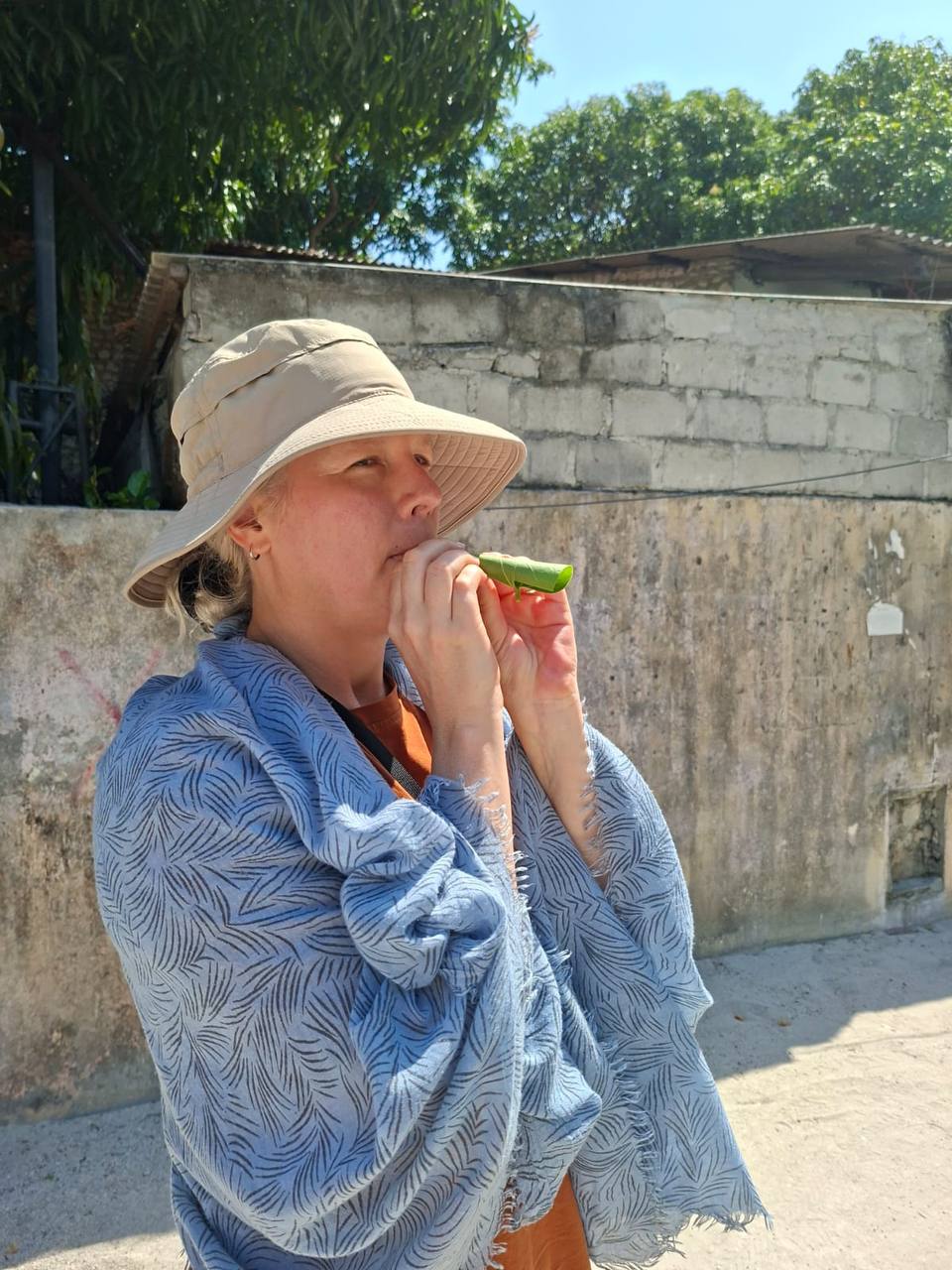
5 April 2026 · Feevah, Shaviyani Atoll
A historic
first arrival
On 5 April 2026, Marije arrived in Feevah — becoming the first international visitor in the island's history. No resort shuttle. The public ferry — Authentic, honest, and exactly how Maldivians travel between their islands.
Where Hospitality Is Simply a Way of Life
What followed could not be arranged or replicated. People welcomed her into their homes. They shared meals, stories, and time. Some even gave her cowry shells they had personally collected. Nothing was staged. This is simply how life is lived on the island.
Staying Somewhere Truly Meaningful
She stayed in a private space within a local family home — a place usually reserved for important visitors to the island. It offered comfort and privacy, while still being part of everyday life. Meals were shared in our home, prepared by Shaazy — combining her professional culinary experience with authentic Maldivian flavours.
On her first day, I offered cutlery. She chose to eat with her hands. And in that moment, she didn't feel like a visitor — but part of the island.
Experiencing Real Island Life
We visited the school, council office, and health centre — not as attractions, but as part of understanding how the island truly functions. Children watched curiously — many seeing a foreign visitor for the first time. Conversations were natural. Moments were real. Nothing was planned.
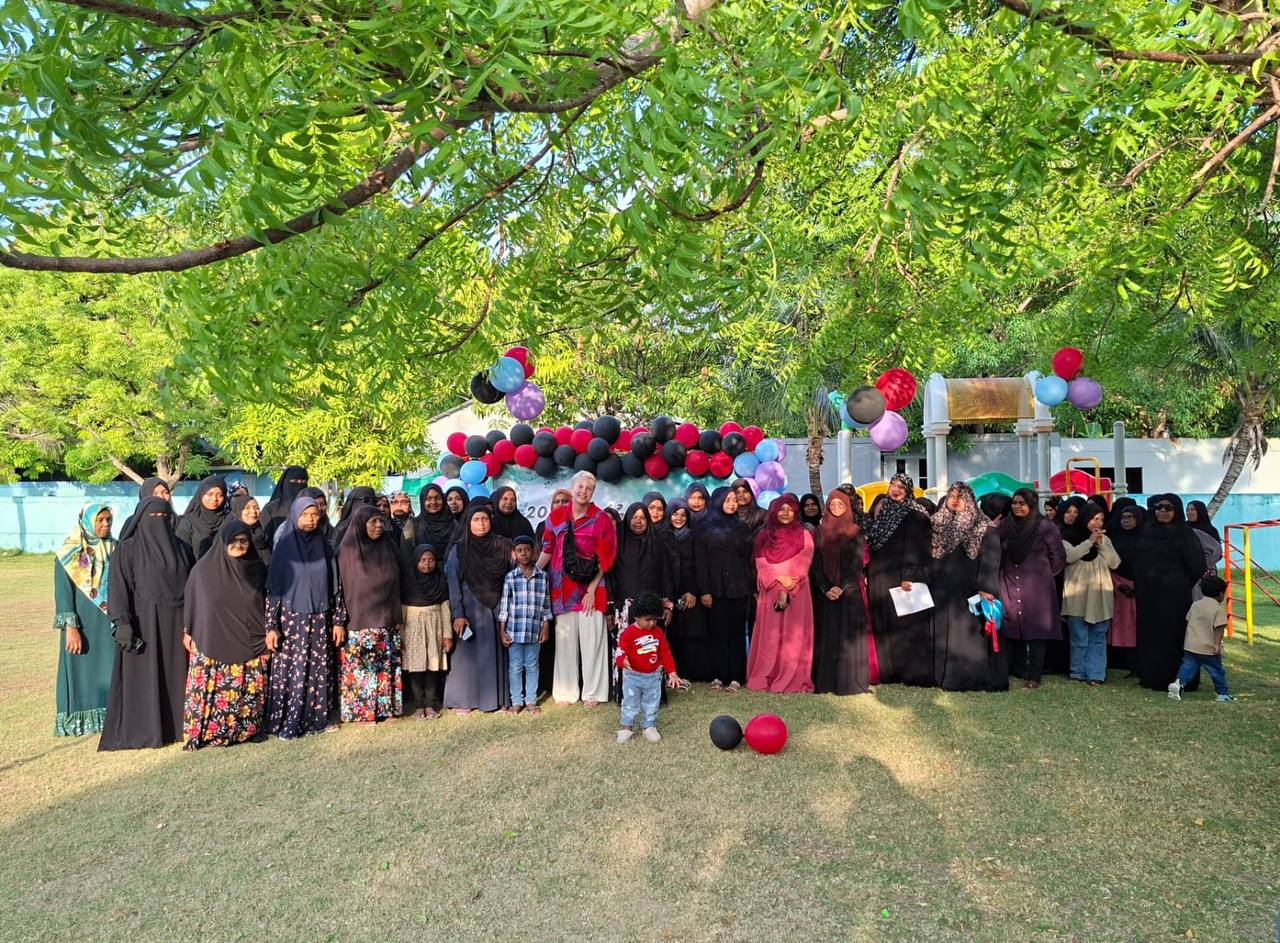
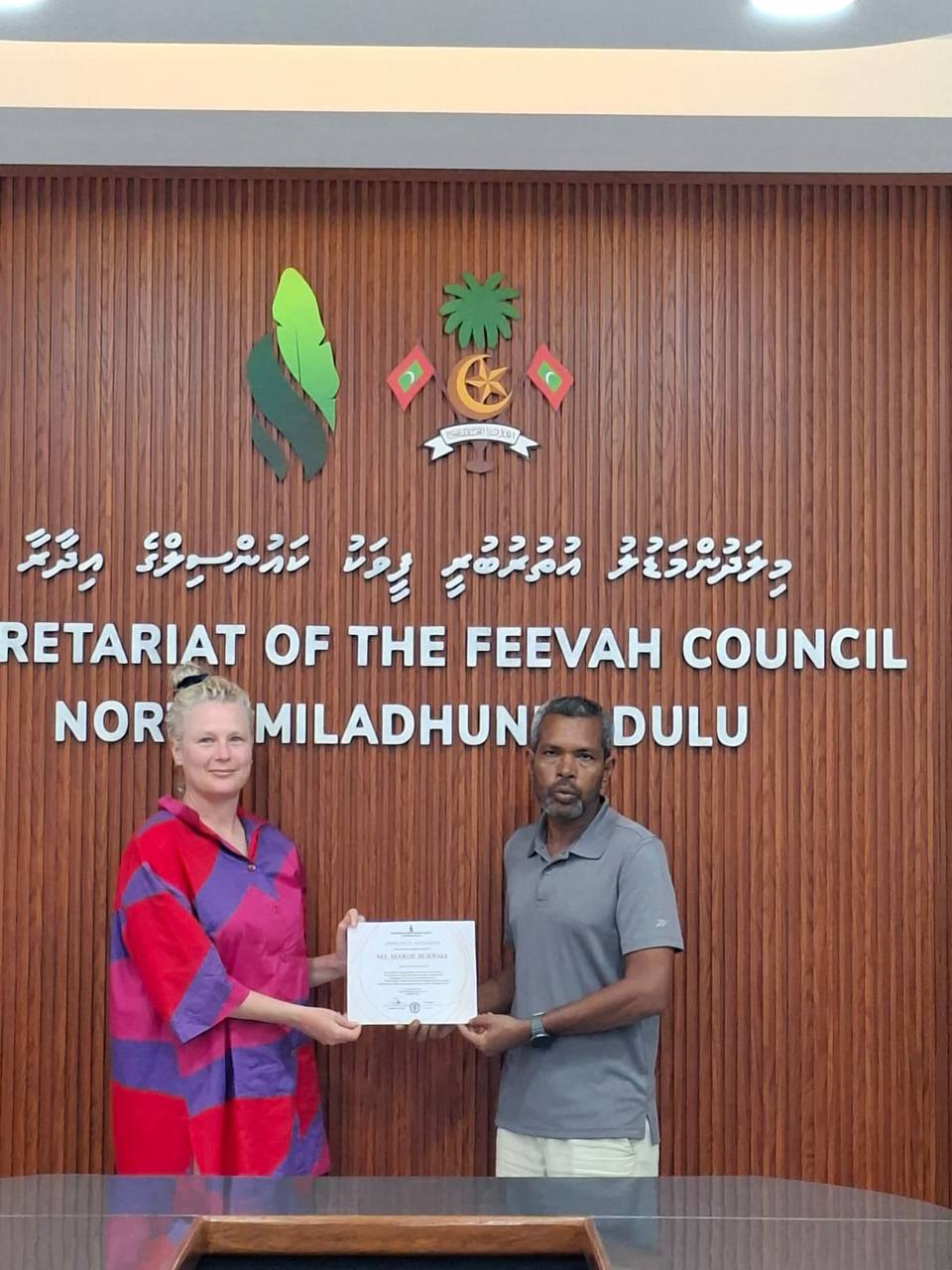
She also joined a community beach clean and spoke during a local celebration. Before she left, the island council presented her with a certificate — recognising her as the first international visitor in Feevah's history. A simple but meaningful gesture.
Continuing the Journey — Vaikaradhoo
After Feevah, we travelled to Vaikaradhoo by a very wooden and slow ferry boat — locals sitting in a long bench seat, lost in their conversation while the ferry passed slowly through those tiny islands — where her research deepened through direct engagement with the community. What began as academic work became something far more personal.
Why She Stayed Longer
She planned to stay two nights. She stayed five. Not because of an itinerary — but because of the people, the openness, and the feeling of belonging.
"I have travelled to many places — for holidays, for research, for work. I have never felt the same hospitality anywhere else."
What This Experience Taught Us
This journey reaffirmed something important: that meaningful travel in the Maldives is not defined by luxury — but by connection. Connection to people. Connection to culture. Connection to place.
A Journey That Gave Back
Experiences like this don't just impact the traveller — they create value within the community. They open opportunities. They bring recognition to local knowledge. They encourage communities to preserve what makes them unique.
The Maldives Island Adventure
This is why we created the Maldives Island Adventure — a journey designed to share this side of the Maldives with those who seek something deeper. Not as tourists passing through, but as guests connecting with local life. Through this experience, you don't just explore islands like Feevah and Vaikaradhoo — you become part of a story that supports and empowers the communities that welcome you.
A Different Side of the Maldives
The Maldives is known for luxury. But beyond that, there is another side — one built on people, culture, and genuine human connection. If this story resonates with you, perhaps it's time to experience it for yourself.
The Maldives Island Adventure is a guided journey departing Malé — travelling north by public ferry to Feevah (Shaviyani Atoll), Vaikaradhoo, Makunudhoo, and Hanimaadhoo (Haa Dhaal Atoll). Staying in guesthouses and family homestays, with community sessions and environmental activities on every island. Ali personally guides every group, every day. With the most success and demand on other parts of Maldives, I have added more destinations and now cover all parts of Maldives. Please contact should you need to customise.
Learn about the Island Adventure